How to Choose the Best Portable Suction Device for Your Needs?
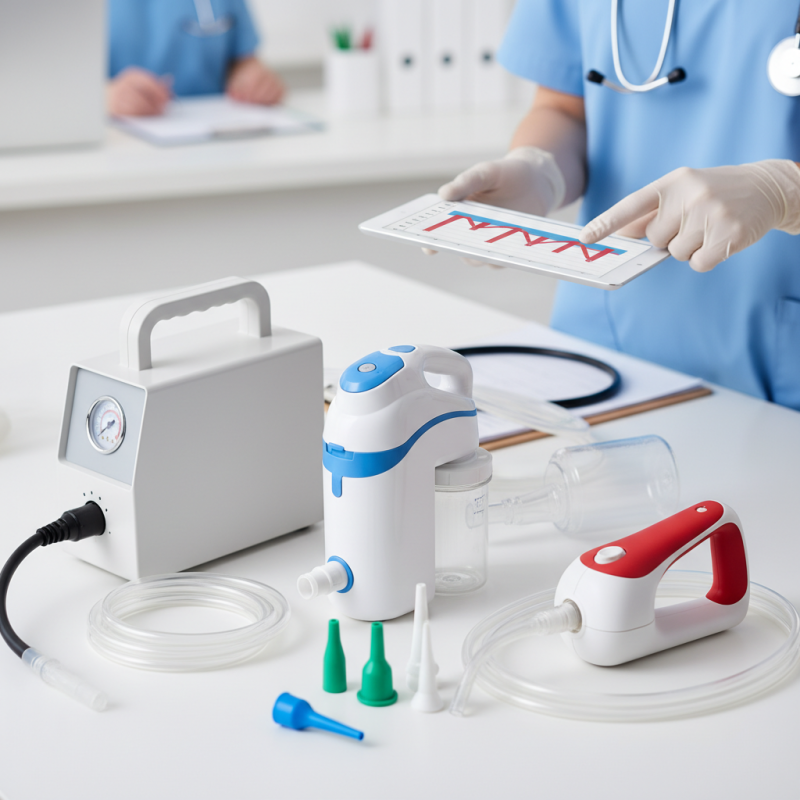
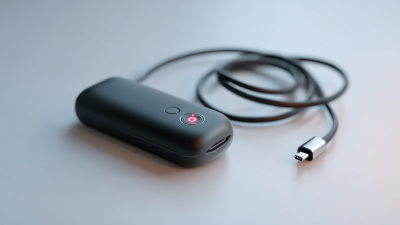
Choosing the right Portable Suction Device is crucial for various needs. Whether for medical applications or home care, the right device can make a significant difference. Each device offers different features, making it essential to understand your specific requirements.
When selecting a Portable Suction Device, consider factors such as portability, suction power, and ease of use. Some devices are light and compact, ideal for travel, while others provide stronger suction but may be bulkier. Assessing where and how you will use the device can help narrow down your choices.
It's important to recognize that not all devices are created equal. Some may not perform as expected, leading to frustration during critical moments. Take the time to read reviews and consult with healthcare professionals. This ensures you select a Portable Suction Device that truly meets your needs and performs reliably when it matters most.
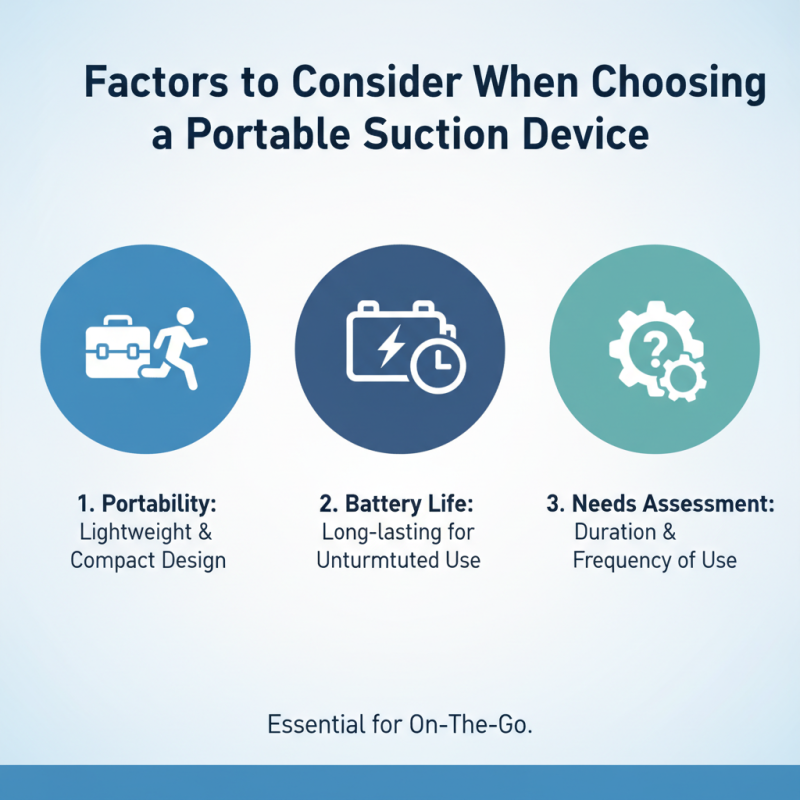
Factors to Consider When Choosing a Portable Suction Device
When choosing a portable suction device, several factors require careful consideration. Portability is essential for those who need to move it frequently. Look for lightweight models with a compact design that can easily fit into your bag. Battery life is also critical. A device that lasts long enough for your needs can prevent interruptions during use.
Next, think about the suction power. The strength of the device should match the specific medical needs it will address. For example, a stronger suction is needed for heavier secretions. Meanwhile, noise levels can matter, especially in sensitive environments. Devices with quieter operations provide convenience, particularly in home care settings.
Lastly, pay attention to the ease of cleaning and maintenance. A device that can be easily disassembled will allow for efficient cleaning. Reflect on your past experiences with similar devices. Have you encountered challenges that you must avoid this time? Choosing the right suction device involves balancing practicality with personal requirements.
Understanding the Different Types of Portable Suction Devices Available
When selecting a portable suction device, it's crucial to understand the various types available. Each type serves different needs in both medical and home care settings. For instance, battery-operated devices offer convenience for on-the-go situations. These models tend to be lightweight and easy to transport, making them ideal for use outside of traditional healthcare settings.
Another option is electrically-powered suction devices, designed for heavy-duty use. These devices are typically more powerful and suitable for prolonged usage in hospitals or care facilities. Users might find them cumbersome in mobile scenarios due to weight and cord restrictions.
Manual suction devices also exist, offering a low-cost alternative with no reliance on electricity. However, the effectiveness can vary based on user skill and technique. It's important to assess individual needs and consider situations where each device might fall short. Reflection on personal preferences and requirements will guide you towards the best choice.
Comparison of Portable Suction Devices by Suction Power
Key Features to Look for in High-Quality Suction Devices
When selecting a portable suction device, focus on key features that ensure functionality and reliability. A robust battery life is essential. Consider models that offer at least two hours of continuous use. This ensures the device can handle emergencies without interruption. Lightweight designs enhance portability, allowing ease of use in various environments.
Look for suction power, measured in mmHg, which indicates the unit's effectiveness. A minimum of 300 mmHg is usually sufficient for most medical needs. Additionally, a clear collection canister makes monitoring easier. Ensure the canister is easy to detach for quick disposal.
Check for ease of cleaning. Some devices have components that are dishwasher safe. This feature can save time and promote better hygiene. However, be cautious; some designs might accumulate residue. Regular maintenance is key. Choose a device that comes with detailed instructions for upkeep. It’s important to reflect on your specific needs. Consider factors like frequency of use and type of applications. Each choice should cater to your unique circumstances.
How to Choose the Best Portable Suction Device for Your Needs? - Key Features to Look for in High-Quality Suction Devices
| Feature |
Importance |
Considerations |
| Portability |
High |
Weight, size, and ease of carrying |
| Battery Life |
High |
Duration and recharge time |
| Suction Power |
High |
Measured in mmHg or kPa |
| Ease of Use |
Medium |
User-friendly controls and instructions |
| Cleaning and Maintenance |
High |
Removable components and dishwasher safety |
| Noise Level |
Medium |
Operating sound in decibels |
| Safety Features |
High |
Overload protection, alarms, and indicators |
Comparing Performance Metrics: Suction Power and Flow Rates
When choosing a portable suction device, understanding suction power and flow rates is crucial. Suction power, measured in mmHg, indicates how effectively a device can remove fluids. A powerful device typically maintains suction of at least 300 mmHg. This level is suitable for a range of applications, from clearing airways to removing wound exudate. Lower suction power can be ineffective in critical situations.
Flow rate, reported in L/min, complements suction power by showing how much fluid a device can handle at once. High-performance devices often achieve flow rates over 30 L/min. Such rates are essential for efficiency, especially in emergency contexts where quick action is necessary. According to recent industry reports, devices with both high suction power and flow rates significantly enhance patient outcomes.
However, some users overlook the importance of portability and battery life. A heavy device might have excellent performance metrics but could become impractical in field use. Similarly, battery duration impacts overall effectiveness, particularly when a power source is unavailable. Striking a balance between performance and usability may require careful consideration and experimentation.
Evaluating User Reviews and Recommendations for Optimal Selection
When selecting a portable suction device, user reviews play a crucial role. These reviews provide firsthand accounts of performance and reliability. Reading experiences from others helps you understand what works and what doesn’t. Look for insights about suction power, ease of use, and portability. Users often share tips that may not be included in the product descriptions.
Recommendations from healthcare professionals can also enhance your decision-making. They can highlight features that might be critical based on specific needs. Consider asking for opinions from trusted sources, especially if you're unsure. Sometimes, the feedback may reveal flaws that might not be obvious at first glance. A device that shines in one aspect might fall short in another.
Personal experiences matter. Reflect on what criteria are most important for you. Is it noise level? Battery life? Each user's priorities differ. Gathering diverse perspectives helps create a more rounded view. Don’t ignore the negative reviews; they often highlight potential issues that could affect your satisfaction. Ultimately, finding the right device involves careful evaluation and trust in shared experiences.