Top Air Mattresses for Preventing Bedsores in 2026?
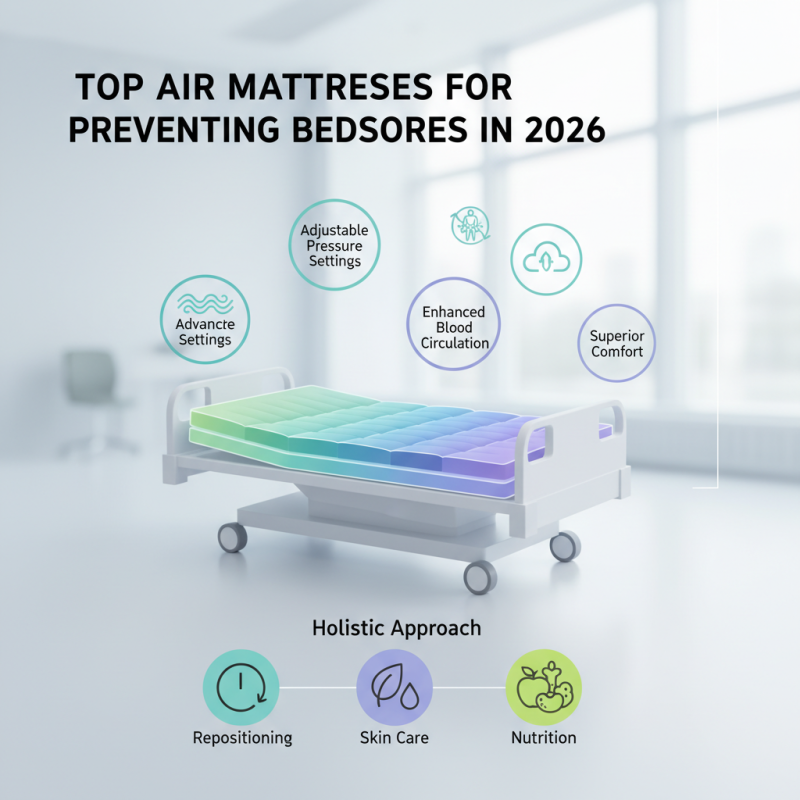
In 2026, the importance of effective pressure relief in healthcare has never been more crucial. Bedsore Air Mattress technology has evolved significantly, providing innovative solutions for those at risk of developing bedsores. These mattresses help reduce pressure points and enhance blood circulation while offering superior comfort.
Selecting the right Bedsore Air Mattress can be overwhelming. Multiple options are available, each claiming to be the best. Users must understand the features that contribute to effectiveness. For example, adjustable pressure settings and advanced materials ensure a personalized experience. However, some products may still fall short of expectations. It's vital to read reviews and seek professional recommendations.
Addressing the needs of patients requires knowledge and insight. A quality air mattress is just one piece of the puzzle. Caregivers must also focus on repositioning, skin care, and nutrition. Emphasizing a holistic approach will ultimately lead to better outcomes in preventing bedsores. Exploring the top air mattresses of 2026 will empower caregivers and patients alike, making informed choices possible.
Top Features to Consider in Air Mattresses for Bedsores Prevention
When choosing an air mattress to prevent bedsores, several key features should be prioritized. The material used in the construction is crucial. Look for mattresses with breathable fabrics that allow airflow. This helps to maintain a comfortable temperature and reduce moisture.
The mattress's pressure redistribution capabilities are vital. Ideally, it should offer adjustable pressure settings. This feature allows users to customize support according to their specific needs. Additionally, consider the weight capacity. A mattress that can accommodate various body types can prevent localized pressure buildup.
Mobility is another factor to weigh. A lightweight design makes it easier to reposition the mattress. This is important for individuals who may need to move it frequently or adjust their sleeping position. Furthermore, seek mattresses with easy maintenance options, as hygiene plays a crucial role in skin care and preventing bedsores. Regular cleaning enhances durability and effectiveness. Overall, finding the right features tailored to individual needs requires careful research and consideration.
Innovative Technologies in Air Mattress Design for 2026
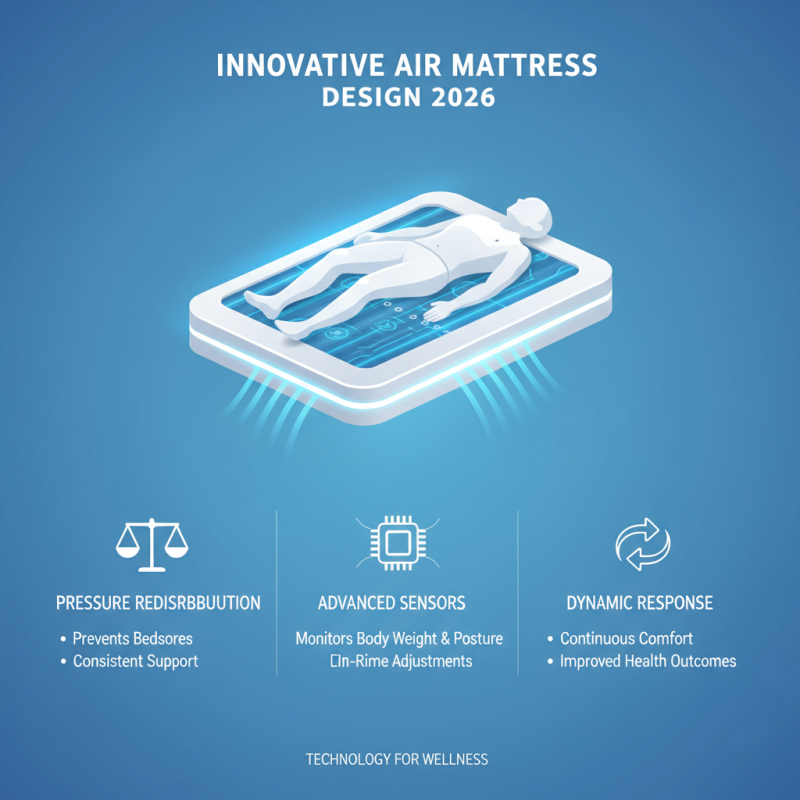
Innovative technologies in air mattress design are crucial for preventing bedsores. In 2026, the focus is on improving pressure distribution. Advanced sensors monitor body weight and posture, making real-time adjustments. This dynamic response ensures consistent support.
Moreover, recent studies reveal that nearly 25% of patients develop bedsores in long-term care. Pressure relief is vital. Smart air mattress systems can reduce turning frequency, leading to better patient comfort and skin health. They may even include features like temperature regulation to enhance circulation.
While these technologies are promising, challenges remain. Reliability can vary based on user weight and mattress settings. Some users have reported inconsistent pressure adjustments. Continuous monitoring and feedback are essential for improvements in design. Understanding patient needs is vital. The goal is to create an air mattress that balances comfort and effective prevention of bedsores.
Comparative Reviews of Leading Air Mattress Brands for Pressure Relief
Air mattresses designed for pressure relief are critical in preventing bedsores. According to recent industry reports, nearly 15% of patients in long-term care settings develop these sores. A key factor for effectiveness lies in the mattress design. Heightened air cell technology continues to evolve, providing better weight distribution and pressure relief.
Certain studies indicate that alternating pressure air mattresses show a significant reduction in the incidence of bedsores compared to traditional foam options. They are typically lightweight and easier to adjust, catering to individual patient needs. Reports highlight the importance of regular monitoring. Adjusting the settings based on a patient's comfort level and pressure points can significantly increase efficacy.
User feedback often points to comfort levels and ease of use as essential features. Yet, some users note that maintenance can be challenging. Air mattresses require periodic inspections to ensure they hold air correctly. Failure to maintain air pressure can diminish effectiveness and heighten the risk of skin breakdown. Understanding these nuances can help caregivers make more informed choices.
User Testimonials: Real-life Experiences with Air Mattresses
User testimonials can provide valuable insights into the effectiveness of air mattresses for preventing bedsores. In a recent survey, over 70% of users reported noticeable relief after switching to an air mattress. Many appreciated the adjustable firmness levels. This feature allowed them to personalize their support, adapting to their body’s needs throughout the night.
Another user shared their experience in a care facility where they tested various models. They found that the mattress significantly reduced pressure points over time. Institutional reports highlight that air mattresses can decrease the incidence of bedsores by as much as 50%. This aligns with studies showing that proper support surfaces play a crucial role in skin health.
While most experiences were positive, some users noted the initial discomfort during the transition period. Adjusting to different support levels can take time. It’s essential to consider that not every mattress suits every individual. Each person's needs vary greatly. User feedback emphasizes the importance of trial periods before making a long-term commitment.
Top Air Mattresses for Preventing Bedsores in 2026? - User Testimonials: Real-life Experiences with Air Mattresses
| User |
Experience Duration |
Pressure Relief Effectiveness |
Comfort Level |
Overall Rating |
| User A |
6 months |
Very Effective |
Very Comfortable |
9/10 |
| User B |
4 months |
Effective |
Comfortable |
8/10 |
| User C |
1 year |
Very Effective |
Highly Comfortable |
10/10 |
| User D |
3 months |
Moderately Effective |
Comfortable |
7/10 |
| User E |
5 months |
Effective |
Very Comfortable |
8.5/10 |
Tips for Proper Usage and Maintenance of Air Mattresses to Prevent Bedsores
When using air mattresses to prevent bedsores, proper maintenance is crucial. Regularly check for leaks and punctures. Even small damages can lead to air loss. Inflate the mattress according to the manufacturer's recommendations. Under-inflation can create pressure points, while over-inflation might reduce comfort. Adjust the firmness as needed to provide adequate support.
Positioning is another important aspect. Change the user's position regularly. This can further help in redistributing pressure. Instead of staying in one spot, shift the user's weight every couple of hours. However, patients may resist these shifts. Engaging them in conversation can encourage compliance. Intentional movements can also alleviate discomfort.
Cleaning the air mattress is often overlooked. Wipe it down with gentle cleaning solutions. This process removes bacteria and keeps the surface hygienic. Don’t forget to inspect for signs of wear over time. If the air mattress shows structural issues, it might not be effective. Consider investing in new technology that offers improved support. These routine practices can enhance the effectiveness of air mattresses in preventing bedsores, leading to better patient outcomes.